
Glaucoma can take a significant toll on your vision before you realize anything is wrong. Most people expect an eye disease to come with pain or blurry vision, but glaucoma often develops silently. Keep reading to learn more about the early warning signs of glaucoma, including which symptoms need emergency care and what your eye doctor looks for during an exam.
Why Glaucoma Is So Easy to Miss
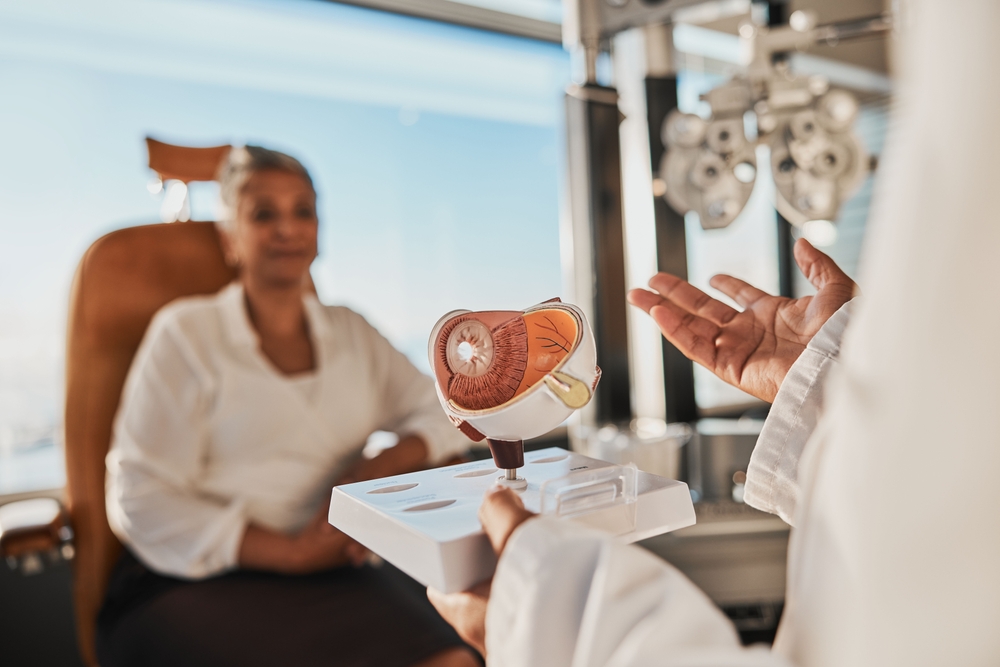
Glaucoma damages the optic nerve, the bundle of nerve fibers that carries visual information from your eye to your brain. In most cases, pressure inside the eye builds because fluid does not drain properly, and that pressure slowly affects the nerve. Once those fibers are damaged, the vision they supported does not come back.
How quickly this happens depends on the type of glaucoma you have. Open-angle glaucoma, the most common form, progresses over years with no pain and no obvious change in how things look. Angle-closure glaucoma can develop suddenly when the drainage angle inside the eye becomes blocked, causing a rapid spike in pressure and symptoms that are hard to ignore.
6 Early Warning Signs of Glaucoma
Several of these signs appear only after some nerve damage has already occurred, so acting on them quickly matters.
1. Gaps or Shadows in Your Side Vision
Open-angle glaucoma usually affects peripheral vision first. Your brain fills in missing areas so well that you may not notice a blind spot until it grows. Try covering one eye at a time while looking at a fixed point across the room. If one eye seems to take in less of the space around the edges, mention it to your eye doctor.
2. Bumping Into Things or Missing Objects Off to the Side
Sometimes the first clue shows up in your behavior. You might clip a doorframe, miss a step, or be startled by a car that seems to appear out of nowhere in the next lane. Family members often notice these patterns before you do.
3. Trouble Seeing in Dim Light
Glaucoma can reduce contrast sensitivity, making it harder to see in low light or to adjust when you walk from a bright parking lot into a dark restaurant. Night driving may feel more stressful than it used to. Cataracts and other conditions can cause the same problem, so this symptom alone does not confirm glaucoma. It is still worth having your eyes checked.
4. Rainbow Halos Around Lights
Colored rings around headlights or lamps can point to corneal swelling caused by a sudden rise in eye pressure. Halos that come and go, especially in dim settings, can be an early sign of intermittent angle closure. Have this checked promptly instead of waiting for your next routine visit.
5. Sudden Eye Pain, Headache, Nausea, and Blurred Vision
This combination is a medical emergency. An acute angle-closure attack can raise eye pressure high enough to cause permanent vision loss if not treated quickly. If you experience severe eye pain along with a headache, nausea or vomiting, and blurred vision, call your eye doctor right away or go to the nearest emergency room.
6. High Eye Pressure or Optic Nerve Changes Found During an Exam
For most people with glaucoma, this is the only early sign. You feel fine and see well, yet your eye doctor measures elevated pressure or notices changes in the shape of your optic nerve. A high reading on its own does not mean you have glaucoma, and some people develop the disease with normal pressure. Either finding calls for closer monitoring and further testing.
Who Is at Risk for Glaucoma?
Certain people should take these signs more seriously and keep up with dilated eye exams even when they feel fine. Your risk is higher if any of these apply to you:
- Age over 60
- A parent or sibling with glaucoma
- African, Hispanic, or Asian heritage
- Diabetes or high blood pressure
- Long-term use of steroid medications
- Severe nearsightedness or a past serious eye injury
The American Academy of Ophthalmology recommends a baseline eye disease screening at age 40 for adults with no symptoms, with earlier and more frequent exams for anyone at higher risk.
What Does a Glaucoma Evaluation Involve?
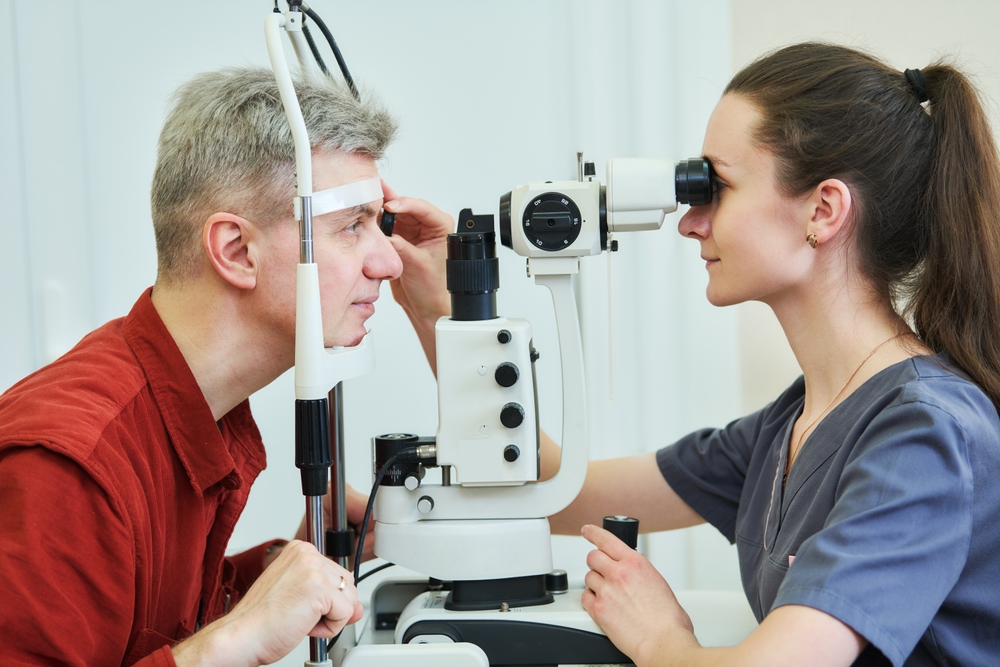
A glaucoma evaluation is painless, and most of it happens during a routine comprehensive eye exam. Your eye doctor will check your eye pressure with tonometry, which may involve a quick puff of air or a numbing drop followed by a light touch to the eye’s surface. After dilating drops widen your pupils, your eye doctor can look directly at your optic nerve for signs of damage.
A few other glaucoma tests add detail. Optical coherence tomography (OCT) scans the back of your eye and measures the nerve fiber layer, which often thins before you notice any change in your vision. During a visual field test, you press a button whenever a small light appears, so your doctor can map your side vision.
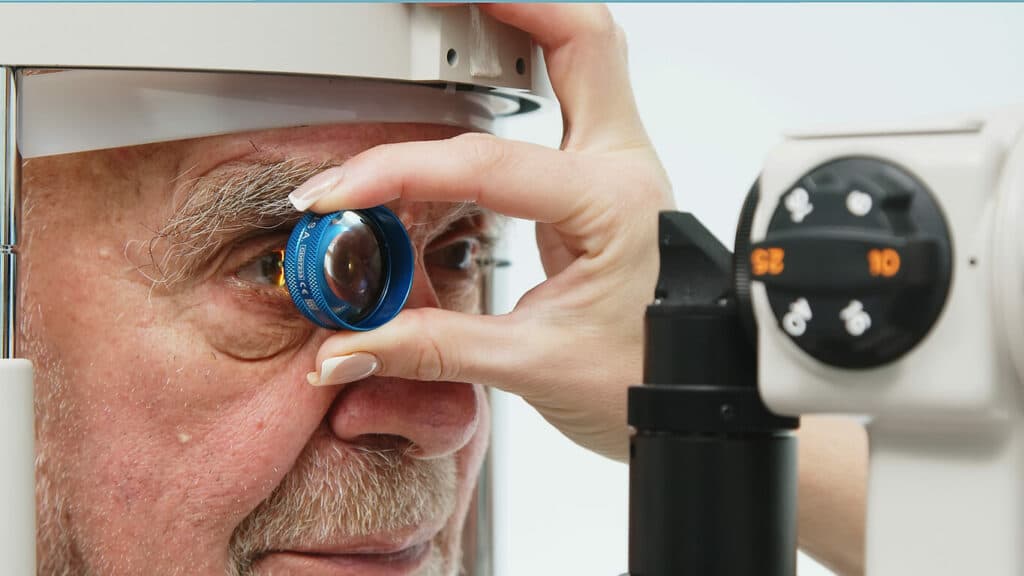
Gonioscopy uses a special lens to show whether the eye’s drainage angle is open or narrow. Pachymetry measures your corneal thickness, because a thicker or thinner cornea can make pressure readings look higher or lower than they really are.
No single test tells the whole story. Together, the results show whether you have glaucoma and how far it has progressed. Your eye doctor will likely repeat some of these tests at future visits, since comparing results over time is the clearest way to tell whether the disease is stable or getting worse.
Treatment Options When Glaucoma Is Caught Early

Treatment cannot restore lost vision, but it can slow or stop further damage by lowering eye pressure. Prescription eye drops are often the first step. Laser treatment for glaucoma, such as selective laser trabeculoplasty, improves fluid drainage and may reduce or replace your need for daily drops. For angle-closure glaucoma, laser iridotomy creates a tiny opening in the iris so fluid can flow freely again.
When drops and laser procedures are not enough, surgery can create new drainage pathways. The earlier you start treatment, the more vision you keep.
Ready to find out whether the changes in your vision point to glaucoma? Schedule an appointment at Advanced Sight Center in Washington, MO, today.


 A Vision Integrated Partners (VIP) Company